The situation
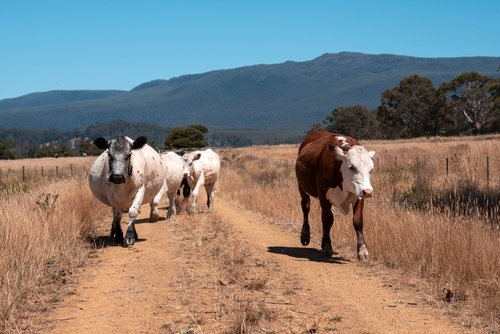
A livestock farmer has bought an additional grazing property. Moving stock across the larger area has become harder, with longer distances between paddocks and increased safety risks.
To improve day-to-day operations, the farmer plans to build a laneway to move stock safely and efficiently.
Proposed activity
The farmer will:
- build a 20 km internal laneway fence to support stock movement
- place the fence in existing grazing areas
- design the route to avoid waterways and cultural heritage sites
- use existing tracks for access and avoid clearing new areas.
Key considerations
- The fence is routine farm infrastructure, not a change in land use.
- The land is mostly cleared grassland, with some regrowth.
- A watercourse and a cultural heritage site are present but can be avoided.
- The work can take place in already cleared areas, without disturbing native vegetation.
- Internal fencing is a low-impact activity used to improve animal welfare and farm management.
- Avoiding sensitive areas reduces the risk of environmental or cultural impacts.
Outcome
No EPBC Act referral is required.
The fencing is a routine activity carried out in existing cleared areas. It does not involve clearing native vegetation or impact Matters of National Environmental Significance.
By avoiding waterways and cultural heritage sites, the activity remains low risk.