Scenario
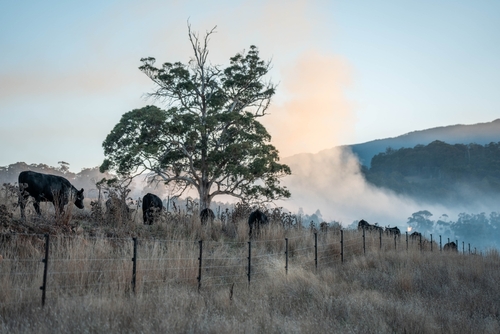
After a severe bushfire, a cattle producer in central-west Queensland needs to feed livestock while pasture recovers. The producer plans to lop branches from fodder trees.
Site details
- Bioregion: Brigalow Belt
- Vegetation shows fire-affected regrowth
- Fodder species include yellowwood and ironwood
Activity
The producer plans to:
- lop branches to access leaf feed
- not remove whole trees
- follow Queensland fodder harvesting limits.
EPBC considerations
- Lopping branches instead of removing trees helps keep habitat in place.
- Care is needed as wildlife may be sheltering in remaining vegetation after the fire.
- Avoiding heavy lopping reduces impacts on Matters of National Environmental Significance (MNES).
- Habitat for hollow-dependent species should be retained where possible.
Outcome
A referral under the EPBC Act is unlikely to be required if the activity:
- follows the accepted development code
- avoids impacts on MNES, including species using post-fire habitat.