Scenario
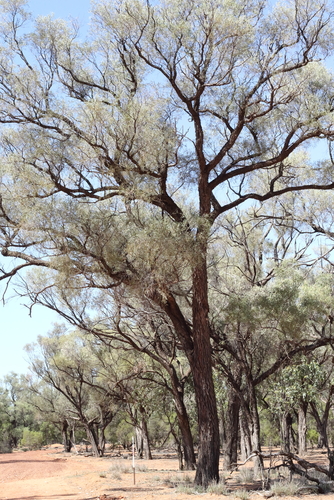
A sheep and cattle producer in South West Queensland manages a large property in mulga country. After two failed wet seasons, pasture is very low. The producer plans to strip-harvest mulga (Acacia aneura) to provide emergency feed for livestock.
Site details
- Bioregion: Mulga Lands
- Vegetation: Category X and Category B regrowth
- Mulga is an approved fodder species under Queensland rules
- No mapped endangered regional ecosystems in the harvesting areas
- Mulga has been harvested on this property before
Activity
The producer plans to:
- strip-harvest mulga in narrow bands using machinery
- leave unharvested strips between harvested areas
- follow required harvest intervals under Queensland’s Managing Fodder Harvesting Code.
EPBC considerations
- Habitat fragmentation is unlikely because unharvested strips are left in place.
- The activity occurs in existing fodder areas. This reduces the risk of impacts on Matters of National Environmental Significance (MNES).
- Harvesting must not reduce habitat below what listed species need.
Outcome
It is unlikely that a referral under the EPBC Act is required if the activity:
- follows the accepted development code
- avoids impacts on MNES.