Media Release
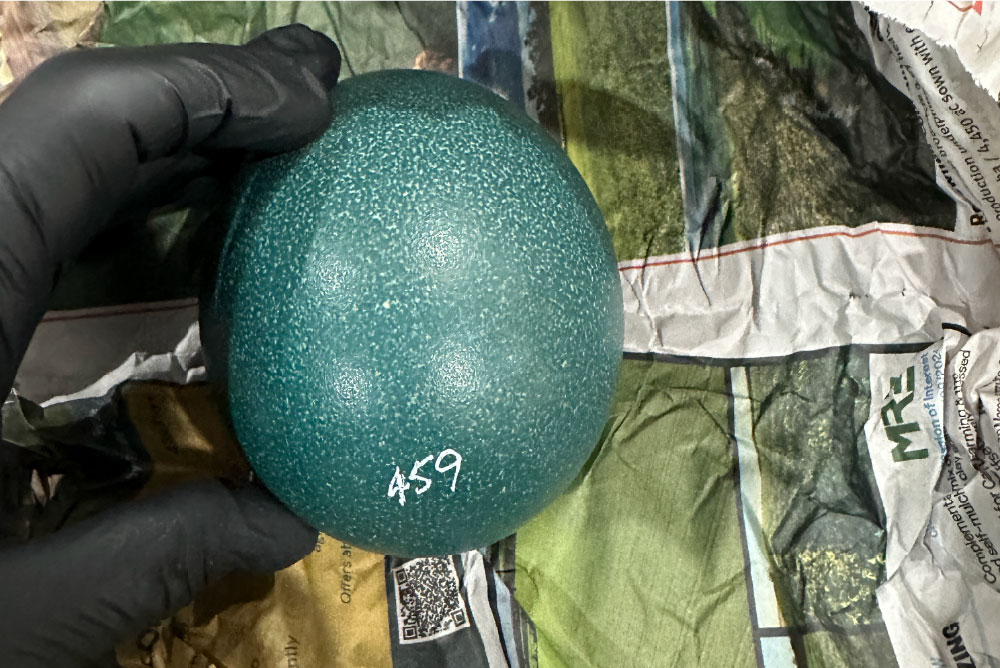
A New South Wales woman has been convicted and fined $5000 for trying to smuggle more than 50 fertilised emu eggs to Vietnam.
The illegal trade of Australian native species is a serious crime that threatens Australia’s wildlife and environment, potentially impacting species populations and habitats.
The woman, Thi Ngoc Huong Chu (aged 42), was sentenced today and fined at Sydney’s Downing Centre Local Court.
The eggs were to be transported by 3 people on commercial flights from Sydney and were seized and destroyed before they left Australia.
The investigation revealed that the eggs were intended to be sold as food in Vietnam, where they are considered a delicacy. Emu eggs can fetch up to $60 (AUD) each in Vietnam.
Under Australian law, it is illegal to export native wildlife, including eggs, without a permit. People convicted of these offences can face up to 10 years in prison, fines of up to $364,000, or both.
The National EPA protects Australia’s native species and habitats through regulation of the export of Australian wildlife, including eggs.
Permits for legal trade of Australia’s native wildlife are regulated by the National EPA under the Environmental Protection and Biodiversity Conservation Act. Permits may be granted in limited circumstances such as for species conservation, research and exhibition purposes.
We work with Australian and international partners to protect Australia’s important wildlife and environments by disrupting illegal trade and acknowledge the assistance of the Australian Border Force and NSW Department of Climate Change Energy, the Environment and Water on this operation.
Quotes attributable to Dani Yannopoulos, Head of Compliance and Enforcement at the National Environmental Protection Agency
“Illegal trade of Australia’s native wildlife is a serious crime.
“Australia’s native wildlife is precious and protected and we are working closely with Border Force and international partners to stop those who attempt to exploit it through the illegal wildlife trade.
“Illegal trade of wildlife can have long-term consequences for species population numbers, biodiversity and ecosystems.
“If you suspect illegal wildlife trade activities, you can report them anonymously through the National EPA website or by calling 1800 976 422.”