The situation
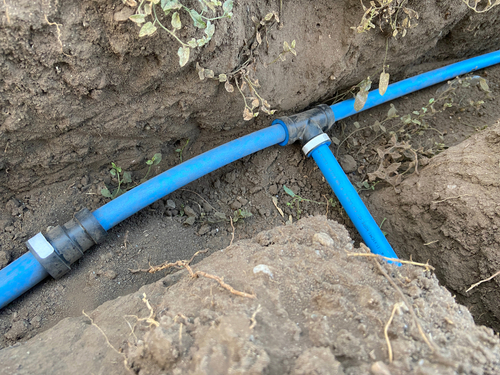
A grazier in northern Queensland plans to install a new polyethylene pipe to improve water supply during a drought. The pipe will run about 20 metres from an existing track. A short section will cross native vegetation near a small creek in the Great Barrier Reef (GBR) catchment.
The work will involve about 3,000 metres of trenching. Most disturbance will be temporary, with the trench filled in straight away and groundcover allowed to regrow.
Proposed activity
The grazier will:
- install a buried polyethylene pipe along a narrow path, avoiding native vegetation where possible
- trench and fill in one step to reduce exposed soil
- allow grasses and groundcover to regrow over the pipeline
- do the work outside peak rainfall periods to reduce erosion
- use existing tracks for access to avoid new disturbance.
Key considerations
- Most of the work follows an existing disturbed path and does not require clearing.
- A short section crosses vegetation within 50 metres of a creek in the GBR catchment, where clearing is not always exempt under state rules.
- The work is limited in size and does not affect habitat for listed species or threatened ecological communities.
- Disturbance is temporary, with the trench filled in straight away and natural regrowth expected.
- The activity does not change how the land is used or increase grazing.
- Erosion risks are managed through timing and work methods.
Outcome
A referral under the EPBC Act is not required.
The work mainly occurs in an already disturbed area and involves only minor, temporary impacts. It is not expected to affect Matters of National Environmental Significance.
If the trench crosses undisturbed vegetation that may contain habitat for listed species, a referral may be required.