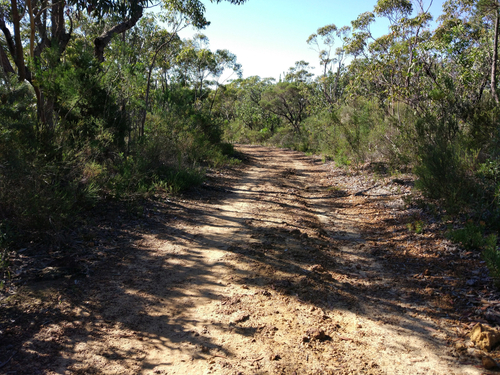
Harvesting in a previously disturbed area
The situation
A medium-sized, family-owned grazing business operates in a semi-arid region during a dry period. Mulga and other fodder trees are an important feed source.
With limited pasture, the business needs to access fodder to maintain animal welfare.
Proposed activity
The business will:
- carry out strip harvesting of mulga in line with the Queensland Managing Fodder Harvesting Vegetation Code
- knock down trees in a way that allows regrowth
- leave unharvested areas between strips, with retained fodder species at least 4 metres high
- limit harvesting to previously disturbed areas, and to no more than 50% of the total area over 10 years
- avoid damaging non-fodder tree species taller than 4 metres
- avoid remnant vegetation and retain refuge areas.
Key considerations
- Fodder harvesting is an established practice.
- The activity is limited to previously disturbed areas and does not expand the agricultural footprint.
- Vegetation is managed to allow regrowth, not permanent clearing.
- A self-assessment confirms no Matters of National Environmental Significance (MNES) are present.
- Evidence is kept, including:
- protected matters search results
- satellite imagery of past harvesting
- georeferenced photos before works begin.
- Remnant vegetation and higher-value habitat areas are avoided.
Outcome
No EPBC Act referral is required.
The fodder code does not override EPBC Act requirements. No MNES are present, so the activity can proceed without a referral.
Harvesting in remnant vegetation patches
The situation
The same grazing business needs more fodder due to ongoing dry conditions.
The area includes gidgee woodland that has not been disturbed before, with larger gidgee and eucalypt trees.
Proposed activity
The business will:
- harvest fodder in gidgee woodland under the Queensland Managing Fodder Harvesting Vegetation Code
- remove larger gidgee and eucalypt trees
- carry out harvesting in undisturbed remnant vegetation.
Key considerations
- The area has not been disturbed before and has higher habitat value.
- Removing larger trees increases the risk to habitat for listed species.
- A self-assessment shows possible impacts on habitat for several listed bird species.
- The activity may have a significant impact on MNES.
Outcome
An EPBC Act referral is required.
Where harvesting includes remnant vegetation or higher-value habitat, the fodder code does not override EPBC Act requirements. The activity may impact protected matters and must be referred.