Pollarding gidgee for drought buffering

Body

Closing soon. Don't miss out!

Your voice matters. Have your say on how we administer Australia’s national environmental protection laws as we strive for continuous improvement. Complete this survey to help shape our priorities and inform how we provide our services and conduct our activities.

The survey will be open until 11:59pm AEST Wednesday, 30 September 2026. If you have any questions, please contact: surveyhelp@nationalepa.gov.au
Case study
EPBC Act
Agriculture
Image
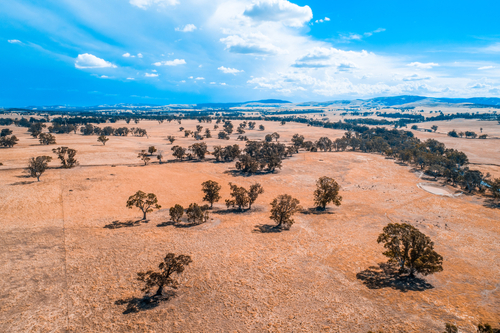
Photograph of trees amidst grassland

Scenario

A beef producer in western Queensland uses pollarding on gidgee trees to create a reliable feed source during drought.

Site details

  • Gidgee woodlands (not threatened)
  • Most of the property is Category X vegetation
  • Small areas of regrowth occur on floodplains

Activity

The producer plans to:

  • pollard trees at set heights
  • keep enough crown for the trees to recover
  • rotate harvest areas to protect soil.

EPBC considerations

  • Gidgee trees may provide habitat for listed species.
  • Repeated pollarding can reduce habitat if not managed well.
  • Care is needed to avoid impacts on Matters of National Environmental Significance (MNES).

Outcome

A referral under the EPBC Act is unlikely to be required if the activity:

  • avoids large-scale clearing
  • keeps hollow-bearing trees
  • avoids impacts on MNES.